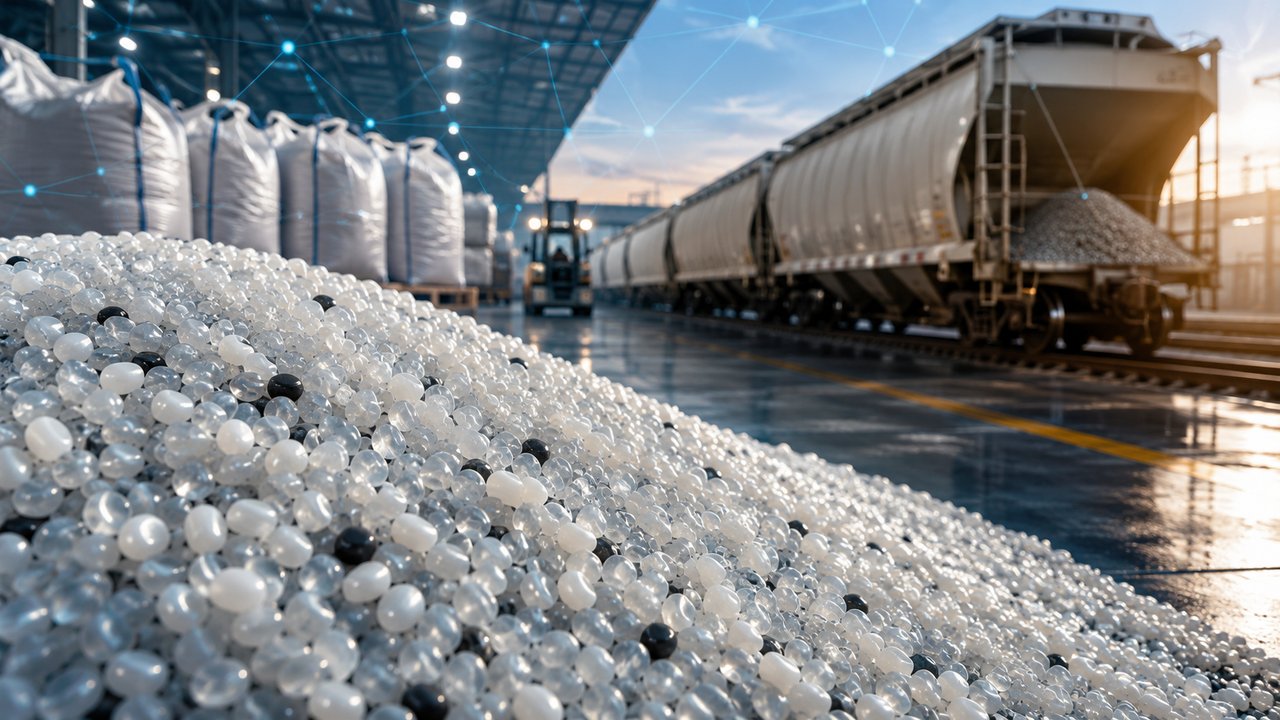
If you have plastic resin to sell in bulk quantities, whether it's prime, surplus, spot inventory, wide-spec, off-spec, or recycled material, you have more options than ever before.
But where you sell matters.
The right channel can mean the difference between material sitting in a warehouse for months or moving quickly at a strong market price.
The challenge is that most sellers are still relying on the same handful of buyers, the same distributor relationships, or the same broker network they have used for years.
When demand softens, inventory ages, or your usual buyers are long, suddenly finding the right buyer becomes harder than expected.
So where can you actually sell plastic resin in bulk quantities today?
The short answer: it depends on your goals.
If you want the fastest, easiest sale, your options may look different than if you want maximum competition, better pricing, or access to buyers outside your network.
At Matium, we've seen one thing consistently: sellers are often limited less by demand and more by the size of their network. The plastics market is much larger than most companies realize.
What Types of Plastic Resin Can Be Sold in Bulk?
Nearly every major resin category can be sold in bulk quantities, including:
- PET resin
- HDPE resin
- LDPE resin
- LLDPE resin
- PP (polypropylene)
- PVC
- ABS
- Polystyrene
- Nylon
- Engineering-grade plastics
- PCR (post-consumer recycled) resin
- Regrind and wide-spec materials
Bulk sales may include truckload, railcar, gaylord, bale, pellet, or packaged material depending on the resin type and buyer requirements.
Whether you are moving prime virgin resin, excess inventory, aging spot volume, or recycled feedstock, the biggest challenge is usually the same.
Finding the right buyer at the right time.
Option 1: Sell Through Your Existing Buyer Network
For many producers, distributors, recyclers, and compounders, the first option is simple:
Call the buyers you already know.
This is often the fastest path because relationships already exist, payment terms are established, and specifications are familiar.
The downside?
Your network is only as large as your network.
If your regular buyers are long on material, pricing aggressively, or simply not interested in the volume you have available, options can dry up quickly.
This is especially common when selling:
- Spot resin inventory
- Excess truckloads
- Aging inventory
- Off-spec or wide-spec resin
- Recycled material that requires niche buyers
Many sellers end up discounting simply because they are only talking to the same few companies.
Option 2: Work Through a Broker or Distributor
For decades, brokers have been the "easy button" for moving resin.
You tell someone what you have.
They find the buyer.
You ship.
For many companies, this still makes sense, especially when internal teams are stretched thin or the material requires specific relationships to move.
A good broker can bring speed and market knowledge.
The tradeoff is visibility.
You may not know:
- How many buyers actually saw the material
- Whether stronger pricing was available elsewhere
- Which end markets had demand
- What competing offers may have existed
That does not make brokers bad.
In many cases, they are valuable partners.
But if maximizing buyer reach or pricing is the priority, relying on a single intermediary can limit optionality.
Option 3: Sell Directly to Processors
Some companies choose to sell directly to processors, converters, compounders, injection molders, or packaging companies.
In theory, this can improve margins and expand relationships.
In practice, it often looks like:
- Searching Google for potential buyers
- Calling companies that do not pick up
- Sending emails that go unanswered
- Chasing leads while also managing daily operations
The plastics market remains surprisingly fragmented.
Finding qualified buyers outside your immediate geography or niche can take significant time.
For teams already balancing procurement, sales, freight, and customer management, this often becomes difficult to scale.
Option 4: Use a Plastic Resin Trading Platform
Digital platforms are increasingly becoming a way to sell resin in bulk quantities, especially for spot inventory and new business development.
The biggest advantage is access.
Instead of being limited to who you already know, platforms can expose material to a broader set of verified buyers.
That matters when selling:
- PET resin in railcar quantities
- HDPE truckloads
- PP spot inventory
- PCR materials
- Surplus resin
- Hard-to-place grades
At Matium, sellers can list supply for free and access the largest verified network of plastics buyers and sellers ever built.
Instead of passively posting material and waiting, Matium can actively identify buyers, support deal execution, coordinate freight, and help sellers reach buyers outside their traditional network.
For sellers, this can mean:
- More buyer visibility
- Better pricing opportunities
- Faster deal execution
- Access to financing-backed buyers
- Coordinated freight support
In many cases, the challenge is not lack of demand.
It is simply lack of visibility into who is buying.
Option 5: Run Public or Private Auctions
If your goal is maximizing market pricing, auctions are becoming more common in plastics trading.
Rather than negotiating one-on-one, buyers compete for material in a structured environment.
Private Auctions
Private auctions allow sellers to limit participation to approved buyers or companies they already know and trust.
Some sellers selectively invite additional verified buyers to increase competition without opening the material to the full market.
This offers more control while still improving price discovery.
Public Auctions
Public auctions open material to a broader verified network to maximize buyer participation.
For sellers moving meaningful spot volume, this can create stronger pricing pressure and faster movement.
What Impacts the Price You Get for Plastic Resin?
Broad market conditions, plastics market trends, feedstock costs, supply/demand imbalances, and global trade dynamics all influence resin pricing.
But many sellers assume the best market price is only about resin indices.
In reality, several other factors matter:
Buyer Reach
More qualified buyers generally create better pricing opportunities.
Payment Terms
Sometimes the highest bid is not the best deal. Payment timing matters.
Matium financing can help reduce friction by allowing sellers to get paid quickly while giving buyers flexible payment terms.
Freight
Freight costs can significantly impact realized pricing, especially for railcars and truckload volumes.
Timing
Selling resin in bulk often comes down to timing.
The broader your buyer reach, the better your odds of finding demand when timing matters.
So, Where Is the Best Place to Sell Plastic Resin in Bulk?
There is no one-size-fits-all answer.
The best place depends on what you are optimizing for.
If you want familiarity, existing relationships may work.
If you want speed with minimal involvement, a broker may help.
If you want to expand buyer access, improve pricing opportunities, and reduce the friction of finding qualified buyers, a platform purpose-built for industrial materials may make sense.
The reality is that many companies are leaving opportunities on the table simply because they are only selling to the people they already know.
The plastics market is larger than any individual network.
Sometimes the best buyer is one you have never met.
Key Takeaways
- There are multiple ways to sell plastic resin in bulk quantities
- Existing buyer networks are fast but often limited
- Brokers provide convenience but may reduce visibility
- Auctions and trading platforms increase buyer access and competition
- Freight, financing, and payment terms affect realized pricing
- The broader your buyer reach, the more optionality you create
Frequently Asked Questions
Where can I sell excess plastic resin?
You can sell excess plastic resin through existing buyer networks, brokers, direct outreach, auctions, or industrial trading platforms like Matium.
What is the best way to sell surplus resin inventory?
It depends on whether you prioritize speed, pricing, buyer reach, or ease of execution.
Can I sell off-spec or wide-spec resin?
Yes. Many buyers specifically purchase off-spec, wide-spec, regrind, or surplus material depending on application.
Can I sell resin directly to processors?
Yes. Many processors, compounders, and converters purchase directly, though reaching them outside existing relationships can be difficult.
How do I get paid faster when selling resin?
Financing-backed transactions can reduce payment delays and credit risk.
What types of resin can be sold in bulk?
PET, HDPE, LDPE, LLDPE, PP, PVC, ABS, PCR resin, engineering-grade plastics, and more.