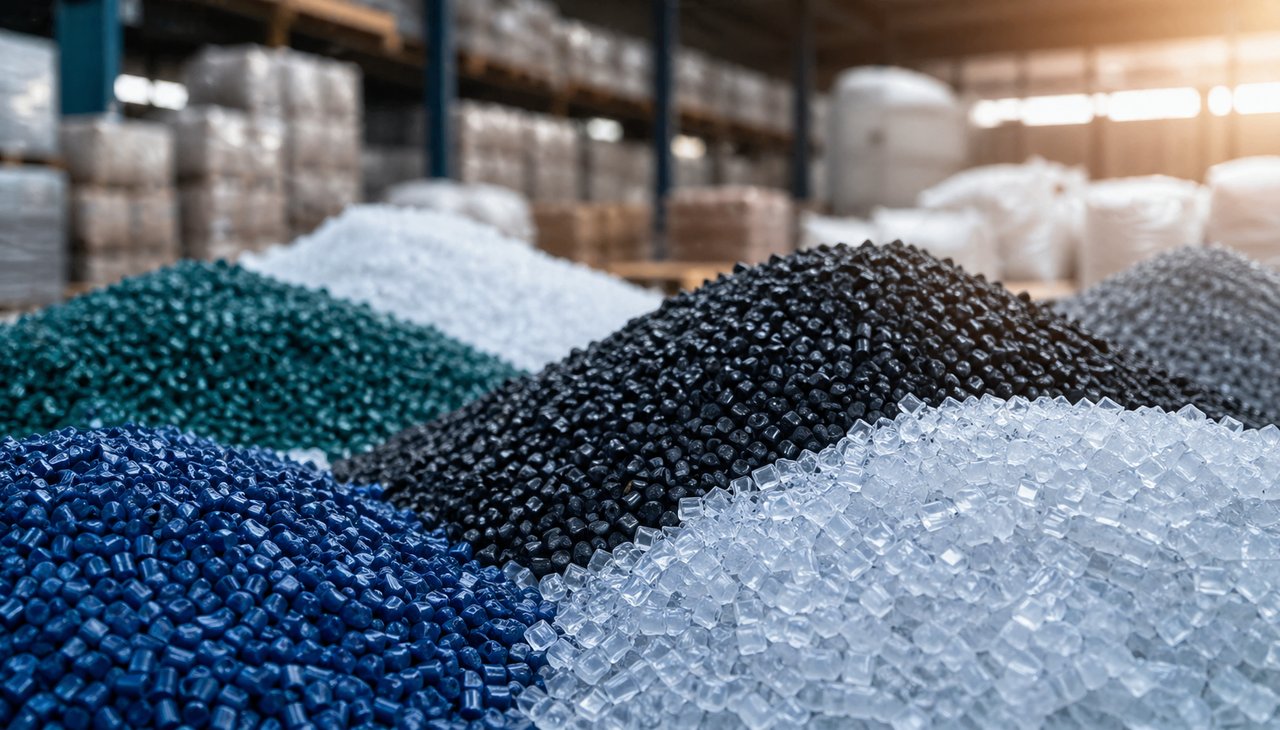
If you have plastic scrap or wide-spec resin sitting, the questions are:
- How do I move this material quickly?
- Who is buying right now?
- How do I get the best price without spending days chasing leads?
Most sellers already have a process. They go to a broker, send out a few emails, or run an RFQ.
Those approaches exist for a reason, and they've worked for years.
That said, they don't always deliver the speed, visibility, or competition needed to move material efficiently in today's market.
The market itself is also evolving, with increasing pressure on recycling, material recovery, and supply chain efficiency across industries, as highlighted by the U.S. Environmental Protection Agency (EPA).
The Best Way to Sell Plastic Scrap or Wide-Spec Resin
The best way to sell plastic scrap or wide-spec resin is to reach multiple qualified buyers quickly and create competition through methods like auctions and/or digital marketplaces.
That's what drives:
- Faster deal execution
- Stronger pricing
- Less time spent chasing quotes
If you're looking for a deeper breakdown, see how sellers approach how to sell spot resin online.
Your Main Options (and When They Work)

Brokers
Brokers remain one of the most common paths.
They:
- Bring existing relationships
- Handle the process for you
- Can move material with minimal involvement
This works well when:
- You want a low-touch solution
- You're comfortable with a single buyer path
The tradeoff is that you're typically relying on a defined network, which can limit visibility into broader demand.
Direct Outreach (Email / RFQs)
Some sellers go directly to market through:
- Email outreach
- RFQs
- Known buyer relationships
This provides:
- More control
- Direct communication
- Flexible deal structuring
It works best when:
- You already know who to contact
- You have time to manage responses
As covered in why plastic scrap isn't moving, one of the biggest challenges again is limited reach.
Auctions
Auctions introduce a different dynamic: multiple buyers engaging at the same time.
Instead of working sequentially, you:
- Present material to multiple buyers at once
- Set a defined timeframe
- Allow pricing to develop through competition
You can see how this works in practice in public auctions for plastics.
This approach is particularly useful when:
- Speed matters
- Pricing is uncertain
- You want broader market exposure
Why Sellers Are Expanding Beyond a Single Approach
In plastics markets, especially for scrap and wide-spec resin, pricing depends on:
- geography
- buyer demand
- timing
- end-use requirements
Because of that, relying on a single path can limit outcomes.
Industry data also shows continued shifts in demand and sourcing patterns across plastics markets, reinforcing the need for broader visibility (American Chemistry Council).
Sellers are increasingly combining approaches to:
- reach more buyers
- reduce time to close
- improve pricing visibility
How This Works on Matium
On Matium, sellers don't have to choose one method.
The same material can be:
- listed to the marketplace for visibility
- run through an RFQ for structured offers
- offered in an auction to introduce competition
- or handled end-to-end
The goal is flexibility, so you can match the method to the situation.
Where Auctions Fit In
Auctions are one of the most effective tools when speed and price discovery matter.
They help by:
- bringing multiple buyers into the same process
- creating competitive tension
- reducing time to decision
For sellers looking to understand market pricing quickly, auctions can provide a clearer signal of where material will move.
So What's the Best Option?
There isn't a single answer for every situation.
- Brokers offer simplicity
- Direct outreach provides control
- RFQs create structured comparison
- Auctions introduce competition
The best approach depends on what you're optimizing for:
- speed
- pricing
- effort
- risk
If You Have Material Sitting Right Now
The fastest way to understand your options is to see who's actually buying.
You can:
- list your material
- view matched buyers
- and choose how you want to bring it to market
Whether that's through direct outreach, RFQs, auctions, or full-service execution, the goal is the same:
More buyers. Less time. Better outcomes.
Final Thought
Most sellers don't need a new process.
They need better visibility into the market they're already operating in, and more ways to act on it.
Once you can reach more buyers and create optionality in how you sell, everything else becomes easier.
Frequently Asked Questions
What is the best way to sell plastic scrap?
The best way to sell plastic scrap is to reach multiple qualified buyers quickly and create competition. This can be done through auctions, brokers, or RFQs, depending on your priorities.
How do I find buyers for wide-spec resin?
You can find buyers through your existing network, brokers, or digital platforms that expand your reach to new buyers across regions and applications.
Are auctions better than brokers for selling plastic scrap?
Auctions can be more effective when speed and price discovery are important, while brokers are often preferred for simplicity and low-touch transactions.
What is the fastest way to sell excess resin inventory?
The fastest way is to make your material visible to multiple buyers at once and reduce back-and-forth communication through structured processes like auctions or RFQs.
Can I sell plastic scrap without a broker?
Yes. Many sellers use direct outreach, RFQs, or digital platforms to connect directly with buyers and maintain more control over the process.