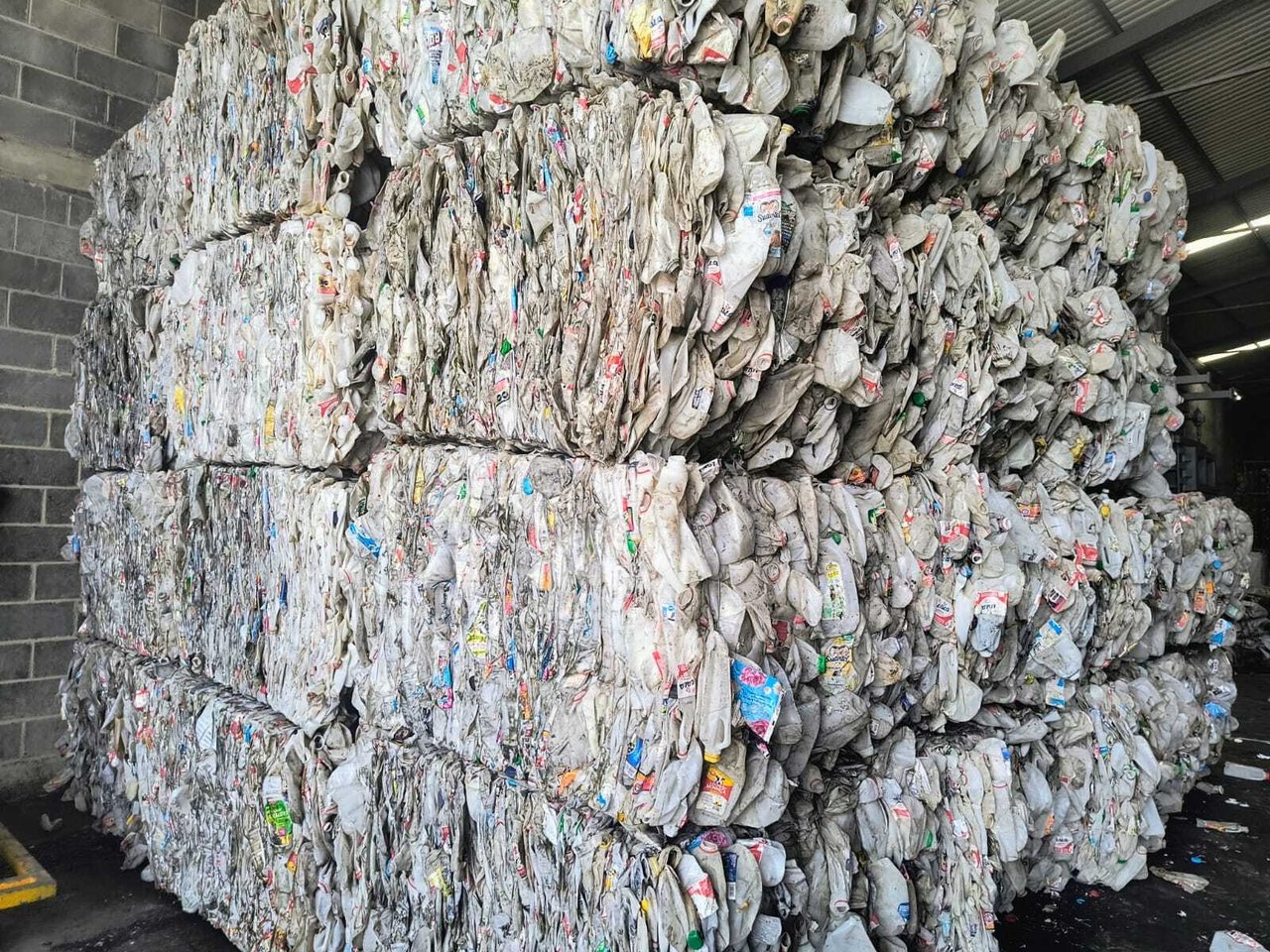
Across North America, plastics suppliers are facing a familiar frustration. Plastic scrap and spot resin volumes that once cleared predictably are now sitting longer than expected.
Manufacturers, recyclers, resin producers, and compounders are all experiencing similar pressures. Scrap inventories build. Spot resin lingers. Buyers hesitate. The natural assumption is that price is the problem.
More often than not, the issue is liquidity.
Why Plastic Scrap Is Slowing Down in 2026
In tighter markets, supply moves easily. Buyers stretch to secure feedstock. Inventory risk feels manageable. Negotiations move quickly because demand exceeds supply.
In softer markets, the dynamic shifts. Buyers become selective. Procurement teams prioritize margin discipline. Credit constraints and working capital pressure become more visible. As a result, material does not automatically clear simply because it exists.
Recent data from the American Chemistry Council show that U.S. resin production and sales softened on a year-over-year basis in late 2025, while industry utilization rates reflected more cautious demand conditions. At the same time, trade publications such as Plastics Today have reported easing spot polyethylene and polypropylene pricing amid margin compression and inventory pressure. In that type of environment, buyers prioritize discipline over volume.
This is especially true in the North American spot plastics market, where uncontracted volumes depend heavily on effective distribution.
Most Plastic Suppliers Do Not Have a Volume Problem
Many suppliers managing plastic scrap or spot resin exposure interpret slow movement as a demand issue.
More often, it is a targeting issue.
In industrial plastics markets, scrap and spot volumes frequently move through long-standing buyer relationships. Relationships remain critical. However, relying on a narrow buyer base increases exposure.
If you consistently sell to two or three buyers, your liquidity is tied directly to their inventory cycles, capital constraints, and purchasing priorities. When they slow down, your material slows down.
That does not necessarily mean demand has disappeared. It often means distribution is too concentrated.
Exposure Is Not the Same as Buyer Targeting
Listing plastic scrap on a general marketplace creates exposure. It does not guarantee that the right buyers see it.
Effective targeting means distributing material to buyers who:
- Actively purchase your specific resin grade
- Operate in your geographic region
- Transact at your typical volume levels
- Demonstrate consistent purchasing behavior
In softer market conditions, relevance matters more than reach.
When only a handful of buyers see your plastic scrap, they control the negotiation. When dozens of relevant buyers see it, competition increases. Competition improves liquidity and protects margin.
Spot Plastic Volume Requires Structured Distribution
If your plastic scrap or spot resin is fully contracted under long-term agreements, this challenge may not apply.
However, many North American plastics suppliers manage recurring uncontracted volume. Even one truckload per month of spot exposure can meaningfully impact operating margin if it lingers.
For small and mid-sized operators, that truckload represents tied-up working capital, warehouse space, and balance sheet pressure. In softer markets, inventory days matter. As utilization slows and inventory builds across segments of the plastics industry, time becomes as important as price.
Spot exposure is not inherently risky. Unstructured distribution is.
Industrial markets are becoming more connected. Suppliers who distribute plastic scrap and spot resin across a broader, verified buyer base create competitive pressure. That pressure accelerates movement and strengthens negotiating leverage.
The Structural Shift in Industrial Plastics Markets
Production has modernized. Recycling operations are increasingly data-driven. Resin manufacturing has become more efficient and technologically advanced.
Distribution, in many cases, has not.
Phone calls, informal broker networks, and narrow buyer circles still dominate portions of the North American plastics trade. In selective markets, that limits liquidity.
Suppliers who adopt structured buyer targeting reduce dependency on a limited relationship base and improve resilience during softer cycles.
Liquidity in today's plastics market is no longer automatic. It must be created through disciplined distribution and broader buyer visibility.
For manufacturers, recyclers, producers, and compounders managing recurring spot plastic volume in the United States and Canada, adapting distribution strategy is becoming operational necessity rather than optional improvement.
So What Should North American Plastic Suppliers Do?
If your volume is fully contracted and insulated from spot exposure, you may not need to adjust your strategy immediately.
But if you manage recurring uncontracted volume, even as little as one truckload per month, liquidity risk becomes operational risk.
In selective markets, the difference between aging inventory and clean turnover often comes down to how broadly and precisely your material is distributed.
That means:
- Expanding visibility beyond a narrow buyer circle
- Identifying buyers actively purchasing your grade and region
- Creating competitive pressure rather than negotiating from a single option
- Treating spot exposure as an operational discipline
Suppliers who move consistently in softer markets are not always those with the lowest price.
They are often those with the broadest, most structured buyer access.
If your scrap or spot resin is sitting longer than it used to, it may not be a demand problem.
It may be a distribution problem.
And distribution is something you can control.
Suppliers generating recurring spot volume can list supply directly through the Matium platform and distribute inventory to a broader pool of North American buyers.
Matium was built specifically to distribute uncontracted plastic supply across a broader network of verified buyers, creating competition rather than dependence on a limited relationship base. Learn how the Matium marketplace works for suppliers managing spot exposure.
Frequently Asked Questions
Why is my plastic scrap not selling in the current market?
Plastic scrap often slows in softer markets because buyers become more selective and disciplined. When demand weakens, procurement teams prioritize margin and inventory control. If your material is only shown to a small buyer group, liquidity can stall even when broader demand still exists.
Is the issue price or distribution?
Price influences movement, but many suppliers discover that distribution is the larger constraint. When only a few buyers see your material, they effectively dictate terms. Broader, targeted distribution frequently improves turnover without immediate price concessions.
What is considered "spot exposure" in plastics markets?
Spot exposure refers to uncontracted plastic volume that must be sold outside long-term agreements. This includes recurring scrap generation, overflow production, or excess resin inventory. Even one truckload per month of uncontracted material can materially affect margin if it lingers.
How can plastics suppliers improve liquidity?
Suppliers improve liquidity by expanding structured buyer access. This includes identifying active buyers for specific grades, distributing material beyond a narrow relationship base, and creating competition among qualified purchasers.
Does this apply to all plastics suppliers?
Not necessarily. Suppliers operating entirely under long-term contracts may feel less immediate pressure. However, manufacturers generating scrap, recyclers, producers, and compounders with recurring spot exposure are especially affected during softer cycles.
Why does buyer targeting matter more in softer markets?
In tight markets, demand clears supply quickly. In selective markets, buyers have more options and greater leverage. Targeted distribution ensures material reaches buyers who are actively purchasing, reducing reliance on passive visibility or narrow relationships.